
By highlighting how there are people who lack access to driving in every community, Week Without Driving helps win policies that support access for nondrivers across both rural and urban communities, and everywhere in between.


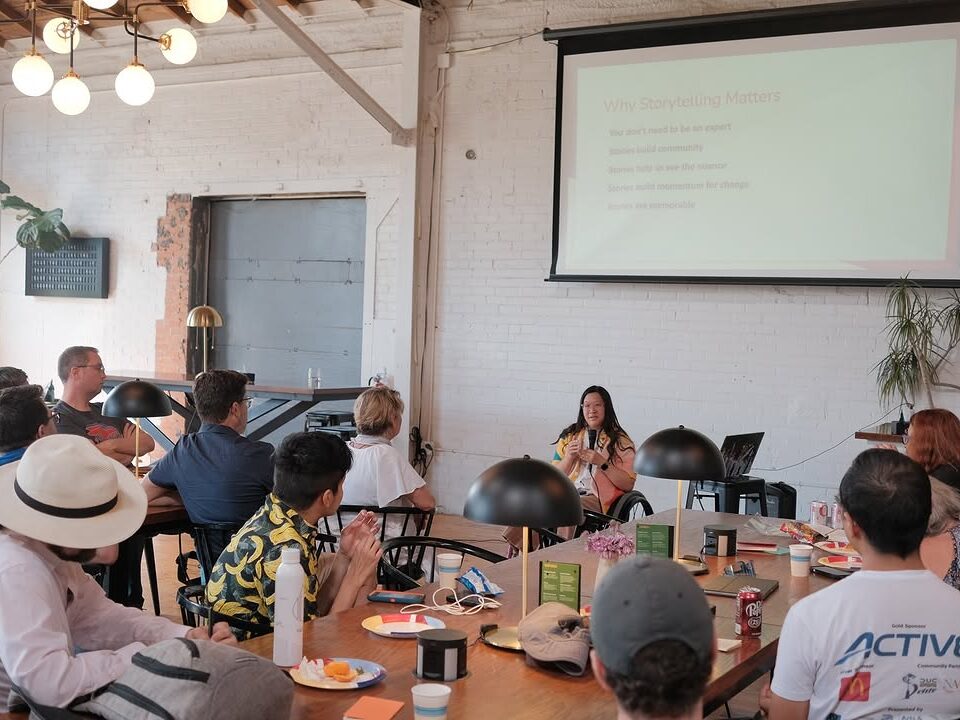
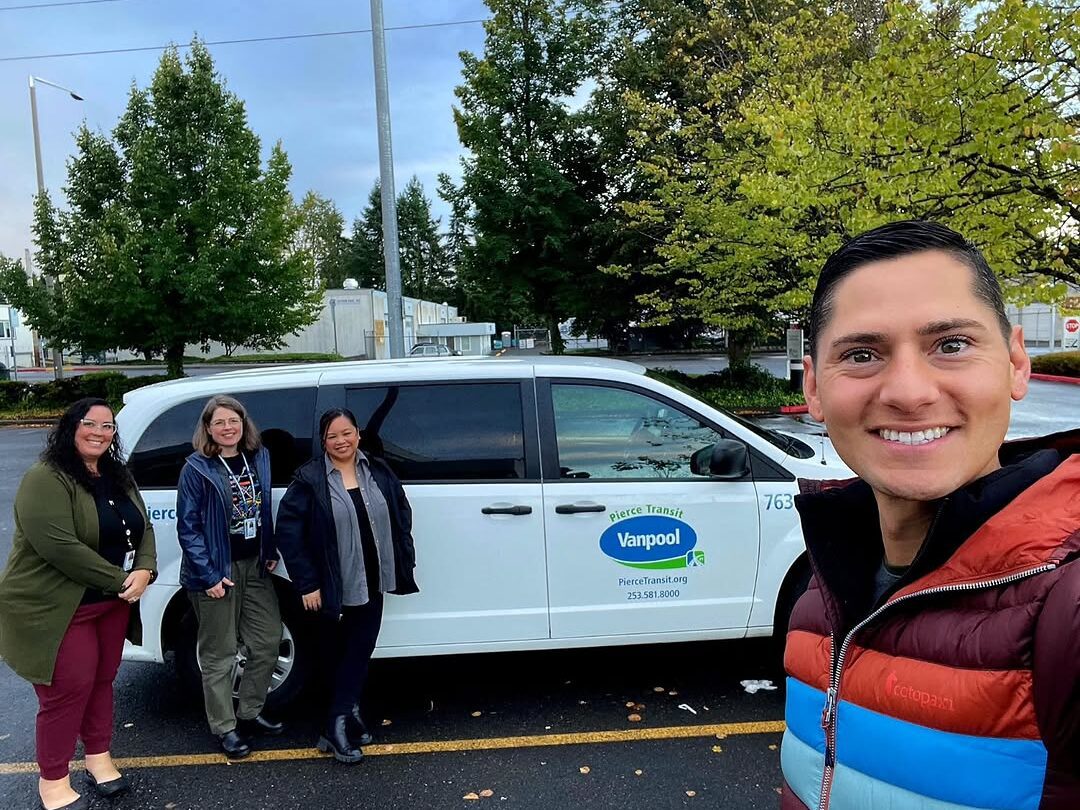
A third of the population of the US are nondrivers, disabled people who cannot drive, people who can’t afford a vehicle or gas, have suspended licenses or lack documentation to get a license, people who are too young to drive, choose not to drive or who have aged out of driving.
But we’re largely invisible – more often measured in absence. We are the people who didn’t make it out from wildfires or flash floods, who missed our doctors or court appointments because the bus never showed up. We are the parent that couldn’t get to the school play and the kid who couldn’t sign up for the soccer team because there just wasn’t a good way to get there.
In 2021, Disability Mobility Initiative a program of Disability Rights Washington and under the leadership of Anna Zivarts, disabled advocates in Washington State launched a campaign to increase the visibility of nondrivers. Now in its sixth year, the Week Without Driving has grown to include more than six hundred cohosting organizations across all fifty US states, Canada and Australia.